

What Is the Flow Rate of Water from an Agricultural Water Tank?
As a supplier of agricultural water tanks, I often encounter inquiries from farmers, ranchers, and other agricultural operators regarding the flow rate of water from these tanks. Understanding the flow rate is crucial for efficient water distribution, irrigation planning, and ensuring that the water supply meets the needs of the agricultural activities. In this blog post, I'll delve into the concept of water flow rate from agricultural water tanks, factors that influence it, and how to calculate and optimize it.
Understanding Water Flow Rate
Water flow rate refers to the volume of water that passes through a given point in a specified amount of time. It is typically measured in units such as liters per minute (L/min), gallons per minute (GPM), or cubic meters per hour (m³/h). In the context of an agricultural water tank, the flow rate determines how quickly water can be delivered to the fields, livestock watering systems, or other applications.
A proper flow rate is essential for various reasons. For irrigation, it ensures that crops receive an adequate amount of water at the right time, promoting healthy growth and maximizing yields. In livestock watering systems, a sufficient flow rate guarantees that animals have continuous access to clean water. Additionally, maintaining an appropriate flow rate can help prevent water shortages, reduce water waste, and improve the overall efficiency of the agricultural operations.
Factors Affecting the Flow Rate
Several factors can influence the flow rate of water from an agricultural water tank. Here are some of the key ones:
Tank Height and Pressure
The height of the water tank plays a significant role in determining the water pressure and, consequently, the flow rate. According to Torricelli's law, the velocity of water flowing out of an opening in a tank is proportional to the square root of the height of the water column above the opening. In simpler terms, the higher the water level in the tank, the greater the pressure at the outlet, and the faster the water will flow.
For example, if you have two identical tanks with different water levels, the one with a higher water level will have a higher flow rate. Therefore, ensuring that the tank is properly filled and maintained at an appropriate level is crucial for achieving a consistent flow rate.
Pipe Diameter and Length
The diameter and length of the pipes used to transport water from the tank to the point of use also affect the flow rate. A larger pipe diameter allows for more water to flow through, resulting in a higher flow rate. Conversely, a smaller diameter pipe restricts the flow of water, reducing the flow rate.
Similarly, the length of the pipe can impact the flow rate. Longer pipes create more friction, which in turn resists the flow of water. As a result, more energy is required to push the water through the pipe, and the flow rate decreases. To optimize the flow rate, it is advisable to use pipes with an appropriate diameter and keep the length as short as possible.
Fittings and Valves
The type and number of fittings and valves in the water distribution system can also influence the flow rate. Elbows, tees, couplings, and other fittings introduce additional friction and resistance to the flow of water, reducing the flow rate. Similarly, valves that are partially closed or not fully open can restrict the flow of water and reduce the flow rate.
When designing the water distribution system, it is important to minimize the use of fittings and valves and ensure that they are properly sized and installed. Additionally, regular maintenance and inspection of the valves are necessary to ensure that they are operating correctly and not causing any flow restrictions.
Water Temperature and Viscosity
The temperature of the water can affect its viscosity, which is a measure of its resistance to flow. Generally, water becomes less viscous as its temperature increases, which means that it flows more easily. Conversely, colder water is more viscous and may have a lower flow rate.
In regions with cold climates, it is important to consider the impact of water temperature on the flow rate and take appropriate measures to prevent the water from freezing or becoming too cold. This may include insulating the pipes, using heated tanks, or adjusting the flow rate based on the water temperature.
Calculating the Flow Rate
There are several methods for calculating the flow rate of water from an agricultural water tank. One of the simplest methods is to use a flow meter, which is a device that measures the volume of water passing through a pipe. Flow meters are available in various types, such as mechanical, ultrasonic, and electromagnetic, and can provide accurate and real-time flow rate measurements.
If a flow meter is not available, the flow rate can be estimated using the following formula:
Q = A × v
where Q is the flow rate, A is the cross-sectional area of the pipe, and v is the velocity of the water.
The cross-sectional area of the pipe can be calculated using the formula:
A = π × (d/2)²
where d is the diameter of the pipe.
The velocity of the water can be estimated using Torricelli's law:
v = √(2gh)
where g is the acceleration due to gravity (9.81 m/s²) and h is the height of the water column above the outlet.
By substituting the values of A and v into the flow rate formula, you can calculate the approximate flow rate of water from the tank. However, it is important to note that this formula assumes ideal conditions and does not take into account factors such as friction, fittings, and valves, which can affect the actual flow rate.
Optimizing the Flow Rate
To ensure that the water flow rate from your agricultural water tank meets the requirements of your operations, it is important to take steps to optimize it. Here are some tips:
Choose the Right Tank Size and Height
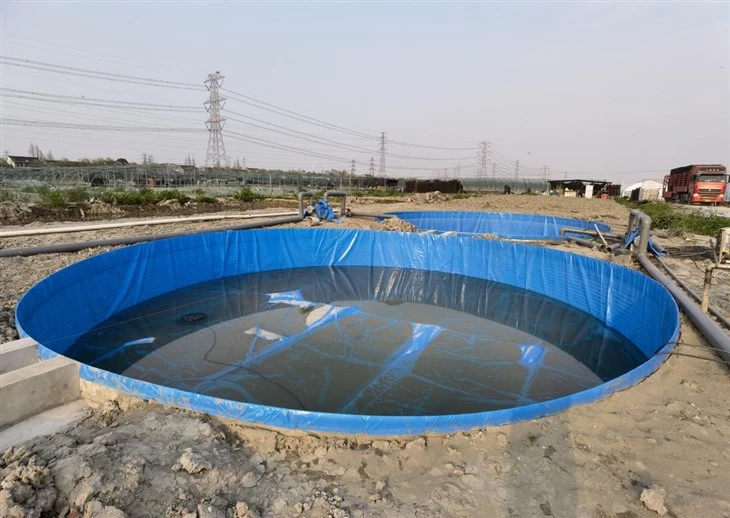
Selecting the appropriate tank size and height is crucial for achieving a sufficient flow rate. Consider the water demand of your agricultural activities, the topography of your land, and the available space when choosing a tank. A larger tank with a greater height can provide a higher water pressure and a more consistent flow rate.

Use Appropriate Pipes and Fittings
As mentioned earlier, the diameter and length of the pipes, as well as the type and number of fittings, can affect the flow rate. Use pipes with an appropriate diameter and keep the length as short as possible. Select high-quality fittings and valves that are properly sized and installed to minimize friction and resistance.
Regular Maintenance
Regular maintenance of the water tank, pipes, and fittings is essential for ensuring a consistent flow rate. Check for leaks, blockages, and corrosion regularly and repair or replace any damaged components. Clean the tank and filters periodically to prevent sediment and debris from accumulating and obstructing the flow of water.
Consider Water Treatment
In some cases, the quality of the water can affect the flow rate. If the water contains sediment, minerals, or other contaminants, it can cause blockages in the pipes and fittings, reducing the flow rate. Consider installing a water treatment system to remove these contaminants and improve the water quality.
Our Agricultural Water Tanks
At our company, we offer a wide range of agricultural water tanks designed to meet the diverse needs of our customers. Our tanks are made from high-quality materials, such as polyethylene and steel, and are available in various sizes and shapes. Whether you need a small tank for a home garden or a large tank for commercial agricultural operations, we have the right solution for you.
Some of our popular tank models include the Bush Fire Prevention Water Storage Tank, which is designed to provide a reliable water supply for fire prevention in rural areas; the Aquaculture Water Tanks, which are suitable for fish farming and other aquaculture applications; and the Aquaculture Steel Water Tank - Underground, which is ideal for underground water storage.
Contact Us for Procurement
If you're interested in purchasing an agricultural water tank or have any questions about water flow rates or our products, please don't hesitate to contact us. Our team of experts is available to provide you with detailed information, technical support, and assistance in choosing the right tank for your needs. We can also help you with installation, maintenance, and any other aspects of your water storage system.
Let's work together to ensure that your agricultural operations have a reliable and efficient water supply. Contact us today to start the procurement process and discuss your requirements.
References
- Douglas, J. F., Gasiorek, J. M., & Swaffield, J. A. (2017). Fluid Mechanics. Pearson.
- Mays, L. W. (2010). Water Resources Engineering. Wiley.
- ASABE Standards. American Society of Agricultural and Biological Engineers.