

Can a water storage tank be buried underground? This is a question that many customers often ask us, as a professional water storage tank supplier. In this blog post, we will explore the feasibility, advantages, disadvantages, and considerations of burying water storage tanks underground.
Feasibility of Burying Water Storage Tanks Underground
The short answer is yes, a water storage tank can be buried underground. However, not all types of water storage tanks are suitable for underground installation. Tanks made of materials such as steel, concrete, and high - density polyethylene (HDPE) are commonly used for underground applications.
Steel tanks are known for their strength and durability. They can withstand the external pressure exerted by the surrounding soil. Concrete tanks are also a popular choice as they are heavy and can resist the forces underground. HDPE tanks are lightweight, corrosion - resistant, and can be molded into various shapes, making them a viable option for underground storage as well.
Advantages of Underground Water Storage Tanks
1. Space Saving
One of the most significant advantages of burying a water storage tank is space utilization. In areas where land is limited or where above - ground space needs to be used for other purposes, underground tanks are an ideal solution. For example, in urban settings or commercial facilities, an underground water tank can be installed without taking up valuable surface area.
2. Temperature Regulation
Underground water storage tanks are less affected by temperature fluctuations compared to above - ground tanks. The soil acts as an insulator, keeping the water at a relatively stable temperature. This is particularly beneficial for applications such as aquaculture, where maintaining a consistent water temperature is crucial for the health and growth of aquatic organisms. You can learn more about Aquaculture Water Tanks on our website.
3. Aesthetic Appeal
Underground tanks are hidden from view, which can enhance the overall aesthetic of a property. There is no need to worry about the visual impact of a large water tank on the landscape, making it a more attractive option for residential and commercial properties.
4. Protection from External Elements
Burying a water storage tank provides protection from harsh weather conditions such as strong winds, hail, and extreme sunlight. This can extend the lifespan of the tank and reduce the need for maintenance and repairs caused by weather - related damage.
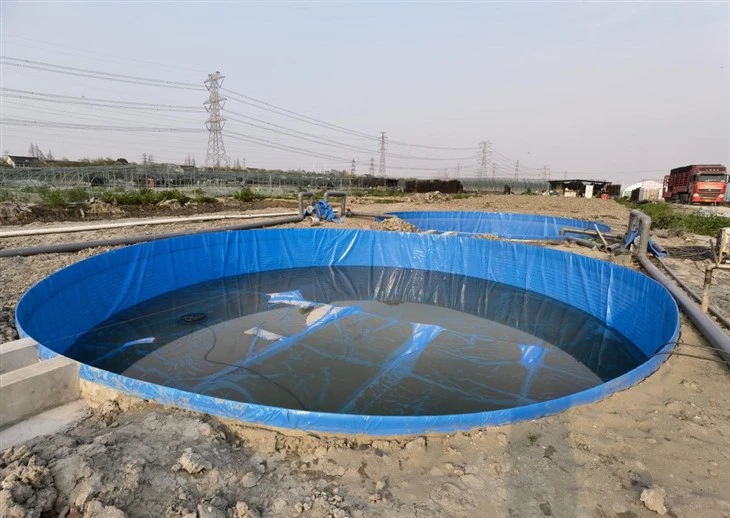

Disadvantages of Underground Water Storage Tanks
1. High Installation Costs
The installation of an underground water storage tank is generally more expensive than an above - ground tank. It involves excavation work, proper soil preparation, and ensuring the tank is properly sealed to prevent water leakage. Additionally, the cost of labor for underground installation is often higher due to the complexity of the work.
2. Difficult Maintenance and Inspection
Accessing an underground water storage tank for maintenance and inspection can be challenging. If there is a problem with the tank, such as a leak or corrosion, it may require significant excavation work to reach the tank. This can be time - consuming and costly.
3. Risk of Groundwater Contamination
If the tank is not properly installed or maintained, there is a risk of groundwater contamination. Leakage from the tank can introduce pollutants or contaminants into the surrounding groundwater, which can have serious environmental and health implications.
Considerations for Burying a Water Storage Tank
1. Soil Conditions
The type of soil at the installation site is a crucial factor. The soil should have sufficient bearing capacity to support the weight of the tank and the water it holds. Soils with high clay content may require additional soil stabilization measures, while sandy soils may need proper compaction to prevent the tank from shifting.
2. Depth of Burial
The depth at which the tank is buried is important. It should be deep enough to provide adequate insulation and protection but not so deep that it becomes difficult to access for maintenance. A general rule of thumb is to bury the tank at a depth of at least 12 - 18 inches below the surface.
3. Tank Design and Construction
The tank should be designed specifically for underground use. It should have a strong structure to withstand the external pressure from the soil. Additionally, the tank should be properly sealed to prevent water leakage and protect against corrosion. For aquaculture applications, you may be interested in our Aquaculture Steel Water Tank - Underground.
4. Permits and Regulations
Before installing an underground water storage tank, it is essential to obtain the necessary permits from local authorities. Different regions may have specific regulations regarding the installation, size, and location of underground tanks. Failure to comply with these regulations can result in fines or legal issues.
Aquaculture Applications of Underground Water Storage Tanks
In aquaculture, underground water storage tanks offer several benefits. As mentioned earlier, the stable temperature provided by underground tanks is ideal for maintaining the well - being of fish and other aquatic species. These tanks can also be used to store water for water treatment processes, such as filtration and disinfection, before it is introduced into the aquaculture system. Our Aquaculture Storage Tank is designed to meet the specific needs of aquaculture operations.
Conclusion
In conclusion, while burying a water storage tank underground has its advantages and disadvantages, it is a feasible option for many applications. The key is to carefully consider the factors mentioned above and work with a professional supplier to ensure a proper installation. As a water storage tank supplier, we have the expertise and experience to help you choose the right tank for your needs and ensure a successful underground installation.
If you are interested in purchasing a water storage tank for underground installation or have any questions about our products, we encourage you to contact us for a detailed consultation. Our team of experts is ready to assist you in finding the best solution for your water storage requirements.
References
- ASCE (American Society of Civil Engineers). Guidelines for Water Storage Tank Design and Installation.
- ASTM (American Society for Testing and Materials). Standards for Water Storage Tank Materials.