

Is it difficult to move a water storage tank? This is a question that often comes up among our customers at our water storage tank supply business. In this blog post, I'll delve into the various factors that determine the difficulty of moving a water storage tank and share some insights based on our experience in the industry.
Factors Affecting the Difficulty of Moving a Water Storage Tank
Tank Size and Capacity
One of the most significant factors is the size and capacity of the water storage tank. Smaller tanks, such as those with a capacity of a few hundred liters, are generally much easier to move compared to large industrial - scale tanks that can hold thousands or even millions of liters. Smaller tanks are lighter, more manageable, and can often be moved using basic equipment like hand trucks or small forklifts.

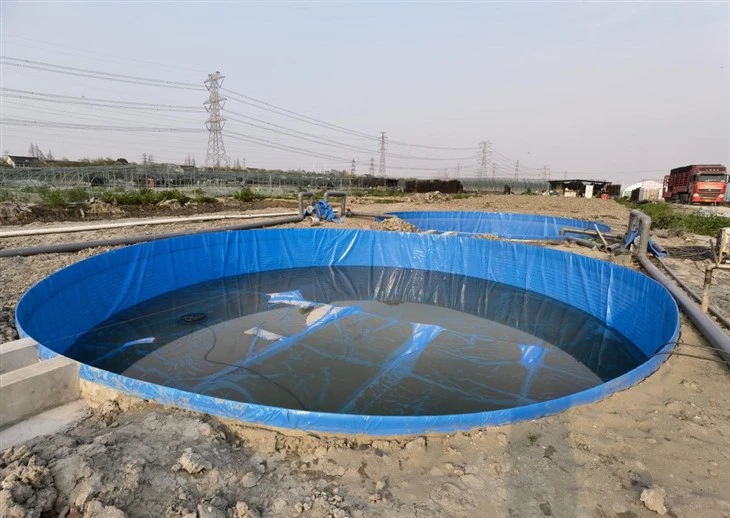
For example, a small domestic water storage tank used for a household garden can be lifted and carried by a couple of people without much hassle. On the other hand, large Agricultural Water Storage Tank designed for large - scale farming operations can be extremely heavy and require specialized heavy - lifting equipment like cranes and large flatbed trucks.
Tank Material
The material of the water storage tank also plays a crucial role. Tanks can be made from various materials such as plastic, steel, concrete, and fiberglass. Plastic tanks are relatively lightweight and flexible, making them easier to move in many cases. They can be more forgiving during the moving process as they are less likely to crack or break compared to more rigid materials.
Steel tanks, while strong and durable, can be very heavy, especially when they are large. Moving a steel tank requires careful planning to prevent damage to the tank's structure. Concrete tanks are extremely heavy and brittle. Moving a concrete water storage tank is a complex and risky operation because any impact or sudden movement can cause cracks or even complete structural failure. Fiberglass tanks are lightweight but can be prone to scratching and damage during the moving process, so they also need to be handled with care.
Location and Accessibility
The location of the tank and the accessibility of the area are important considerations. If the tank is located in an open, flat area with easy access for trucks and lifting equipment, the moving process will be much simpler. However, if the tank is located in a confined space, such as a basement, a narrow alley, or on a rooftop, moving it becomes significantly more difficult.
For instance, moving an Aquaculture Steel Water Tank - Underground may require excavation work to expose the tank and create enough space for the moving equipment. Similarly, moving a tank from a rooftop may involve using cranes with long booms and careful maneuvering to avoid hitting surrounding structures.
Installation and Connection
The way the tank is installed and connected to other systems can also add to the difficulty of moving. Tanks may be connected to pipes, valves, pumps, and other equipment. Disconnecting these systems safely and then reconnecting them at the new location requires technical expertise.
In addition, some tanks are installed with a concrete base or other permanent fixtures. Removing the tank from its base without causing damage can be a challenging task. For example, if a water storage tank is connected to a complex irrigation system in an agricultural setting, the disconnection and re - connection process need to be carefully planned to ensure that the system functions properly after the tank is moved.
The Moving Process
Planning
Proper planning is the key to a successful water storage tank move. Before any physical work begins, a detailed assessment of the tank, its location, and the destination should be carried out. This includes measuring the tank's dimensions, determining its weight, and evaluating the accessibility of both the current and new locations.
A plan should be developed for the disconnection of any attached systems, the selection of appropriate moving equipment, and the transportation route. It's also important to obtain any necessary permits for the transportation and installation of the tank at the new location.
Disconnection and Preparation
Once the plan is in place, the next step is to disconnect the tank from all connected systems. This may involve shutting off water supplies, draining the tank, and removing pipes, valves, and other attachments. The tank should be thoroughly cleaned and inspected for any damage or signs of wear.
If the tank is installed on a base, measures need to be taken to safely remove it from the base. For plastic and fiberglass tanks, protective padding may be applied to prevent scratches and damage during the moving process.
Lifting and Transportation
The actual lifting and transportation of the tank require the use of appropriate equipment. As mentioned earlier, small tanks can be moved using basic tools, while large tanks need heavy - duty cranes and trucks. The tank should be lifted and secured properly to prevent it from shifting or falling during transportation.
During transportation, the tank should be protected from the elements and any potential impacts. Special care should be taken when loading and unloading the tank to ensure its safety.
Re - installation
At the new location, the tank needs to be re - installed. This includes placing the tank on a suitable base, reconnecting all the systems, and testing the tank for leaks and proper functionality. The re - installation process should follow all relevant safety and industry standards.
Case Studies
Let's take a look at a couple of case studies to illustrate the challenges and solutions in moving water storage tanks.
Case 1: Moving a Plastic Agricultural Water Storage Tank
A farmer had a plastic Agricultural Water Storage Tank that needed to be moved to a new location on the farm. The tank had a capacity of 5000 liters and was located in an open field. The moving process was relatively straightforward. First, the tank was drained of water. Then, using a small forklift, the tank was lifted onto a flatbed truck. The truck transported the tank to the new location, where it was simply placed on a prepared concrete pad. The pipes were re - connected, and the tank was filled with water for testing.
Case 2: Moving a Steel Aquaculture Storage Tank
An aquaculture facility needed to move a large steel Aquaculture Storage Tank to a new building. The tank was located inside a building with limited access. A team of engineers first planned the disconnection of the tank from the aquaculture system, including the removal of pipes, pumps, and filters. A crane was then used to lift the tank through a large opening in the building's roof. The tank was carefully placed on a specialized heavy - haul truck and transported to the new building. At the new location, the tank was re - installed, and the aquaculture system was re - connected. This process required a high level of expertise and coordination to ensure the safety of the tank and the proper functioning of the aquaculture system.
Conclusion
In conclusion, moving a water storage tank can range from relatively easy to extremely difficult depending on several factors such as tank size, material, location, and installation. While small plastic tanks in accessible locations can be moved with relative ease, large industrial - scale tanks made of heavy materials in confined spaces present significant challenges.
At our water storage tank supply business, we understand these challenges and have the expertise to assist our customers in planning and executing successful tank moves. Whether you are a farmer looking to relocate an agricultural water storage tank or an aquaculture facility in need of moving a large steel tank, we can provide you with the right advice and solutions.
If you are considering moving a water storage tank or are in the market for a new one, we encourage you to contact us for a consultation. Our team of experts will work with you to ensure that the process is as smooth and stress - free as possible.
References
- "Water Storage Tank Installation and Maintenance Guide", Industry Standard Publication
- "Best Practices for Moving Heavy Industrial Equipment", Engineering Journal
- "Materials and Design of Water Storage Tanks", Academic Research Paper