

As a provider of Cleaning and De-Dusting Systems, I understand the importance of maintaining the efficiency and longevity of these systems. One crucial aspect of this maintenance is the regular cleaning of filters. In this blog, I'll share some comprehensive insights on how to clean the filters in a cleaning and de-dusting system effectively.
Understanding the Role of Filters in Cleaning and De-Dusting Systems
Filters are the heart of any cleaning and de-dusting system. They are designed to capture dust, dirt, and other particulate matter from the air or gas stream passing through the system. By doing so, they prevent these contaminants from being released back into the environment, ensuring cleaner air and protecting the equipment downstream from damage.
There are different types of filters used in cleaning and de-dusting systems, such as bag filters, cartridge filters, and panel filters. Each type has its own unique characteristics and cleaning requirements, but the overall goal is the same: to remove the accumulated dust and debris to maintain optimal filtration performance.
Preparing for Filter Cleaning
Before you start cleaning the filters, it's essential to take some preparatory steps to ensure a safe and effective process.
- Turn off the System: Always switch off the cleaning and de-dusting system before attempting to clean the filters. This prevents any potential accidents and ensures that you can work safely without the risk of being exposed to moving parts or high-pressure airflows.
- Wear Protective Gear: Put on appropriate personal protective equipment (PPE), such as gloves, safety glasses, and a dust mask. This protects you from inhaling dust and other contaminants during the cleaning process.
- Gather Cleaning Tools: Depending on the type of filters and the level of contamination, you'll need different cleaning tools. Common tools include compressed air guns, brushes, vacuum cleaners, and cleaning solutions. Make sure you have all the necessary tools ready before you begin.
Cleaning Bag Filters
Bag filters are one of the most commonly used filters in cleaning and de-dusting systems. They are made of fabric bags that trap dust particles as the air passes through them. Here's how you can clean bag filters:
- Remove the Bags: Carefully remove the bag filters from the filter housing. Make sure to handle them gently to avoid damaging the bags.
- Shake the Bags: Take the bags outside or to a well-ventilated area and gently shake them to remove the loose dust. You can also use a compressed air gun to blow the dust out of the bags. Start from the top of the bag and work your way down, using short bursts of air to dislodge the dust.
- Brush the Bags: Use a soft brush to gently brush the surface of the bags to remove any remaining dust. Be careful not to scrub too hard, as this can damage the fabric.
- Wash the Bags (if necessary): If the bags are heavily contaminated, you may need to wash them. Fill a large container with a mild cleaning solution and soak the bags for a few hours. Then, rinse the bags thoroughly with clean water and let them dry completely before reinstalling them.
Cleaning Cartridge Filters
Cartridge filters are another popular type of filter used in cleaning and de-dusting systems. They are typically made of pleated media that provides a large surface area for dust collection. Here's how you can clean cartridge filters:
- Remove the Cartridges: Remove the cartridge filters from the filter housing. Pay attention to the orientation of the cartridges to ensure proper reinstallation.
- Use Compressed Air: Use a compressed air gun to blow the dust out of the cartridges. Start from the clean side of the cartridge and work your way towards the dirty side, using short bursts of air to dislodge the dust. Make sure to cover all areas of the cartridge, including the pleats.
- Vacuum the Cartridges: After using compressed air, use a vacuum cleaner with a soft brush attachment to remove any remaining dust from the cartridges. Be careful not to damage the pleats while vacuuming.
- Inspect the Cartridges: Check the cartridges for any signs of damage, such as tears or holes. If you find any damaged cartridges, replace them immediately to ensure proper filtration performance.
Cleaning Panel Filters
Panel filters are often used in HVAC systems and other applications where a large volume of air needs to be filtered. They are made of a rigid frame with a filter media inside. Here's how you can clean panel filters:
- Remove the Panels: Remove the panel filters from the filter housing. Make sure to handle them carefully to avoid bending or damaging the frames.
- Vacuum the Panels: Use a vacuum cleaner with a soft brush attachment to remove the loose dust from the panels. Start from the top of the panel and work your way down, making sure to cover all areas of the filter media.
- Wash the Panels (if necessary): If the panels are heavily contaminated, you can wash them with a mild cleaning solution. Fill a large container with the cleaning solution and soak the panels for a few minutes. Then, rinse the panels thoroughly with clean water and let them dry completely before reinstalling them.
- Inspect the Panels: Check the panels for any signs of damage, such as tears or holes. If you find any damaged panels, replace them immediately to ensure proper filtration performance.
Reinstalling the Filters
Once you have cleaned the filters, it's time to reinstall them in the cleaning and de-dusting system. Make sure to follow the manufacturer's instructions for proper installation. Here are some general tips:
- Check the Seals: Before reinstalling the filters, check the seals on the filter housing to ensure they are in good condition. Replace any damaged seals to prevent air leaks.
- Align the Filters: Make sure the filters are properly aligned in the filter housing. This ensures that the air or gas stream passes through the filters evenly and that the filtration performance is optimized.
- Secure the Filters: Use the appropriate fasteners or clips to secure the filters in place. Make sure the filters are tightly secured to prevent them from moving or vibrating during operation.
Maintenance and Monitoring
Regular filter cleaning is just one part of maintaining a cleaning and de-dusting system. It's also important to monitor the system's performance and conduct regular maintenance to ensure its long-term reliability.
- Monitor Pressure Drop: The pressure drop across the filters is an important indicator of their performance. A high pressure drop may indicate that the filters are clogged and need to be cleaned or replaced. Monitor the pressure drop regularly and take appropriate action if necessary.
- Inspect the System: Conduct regular visual inspections of the cleaning and de-dusting system to check for any signs of damage or wear. Look for leaks, loose connections, and other issues that may affect the system's performance.
- Replace Filters as Needed: Even with regular cleaning, filters will eventually need to be replaced. Follow the manufacturer's recommendations for filter replacement intervals and replace the filters as soon as they reach the end of their service life.
Conclusion
Cleaning the filters in a cleaning and de-dusting system is an essential task that helps maintain the system's efficiency and longevity. By following the steps outlined in this blog, you can ensure that your filters are cleaned properly and that your system continues to operate at its best.
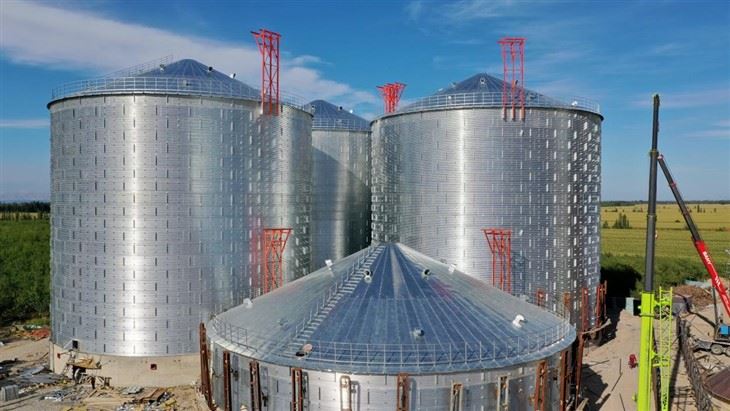
If you're in the market for a high-quality cleaning and de-dusting system or need more information about filter maintenance, we're here to help. We offer a wide range of Dried Corn Flat Bottom Silos, Large Scale Grouped Steel Silos, and Flat Bottom Silo solutions to meet your specific needs. Contact us today to discuss your requirements and explore how we can help you achieve a cleaner and more efficient environment.

References
- "Filter Maintenance Guide for Industrial Dust Collectors," Industrial Filtration Solutions Handbook.
- "Best Practices for Cleaning and Maintaining HVAC Filters," HVAC Magazine.