

When it comes to using a cleaning and de - dusting system, safety should always be your top priority. As a leading supplier of cleaning and de - dusting systems, I understand the importance of these precautions. In this blog, I'll share some essential safety measures that you should take to ensure a secure and efficient operation of your cleaning and de - dusting equipment.
Personal Protective Equipment (PPE)
One of the most fundamental safety steps is to wear appropriate personal protective equipment. This includes safety goggles, which protect your eyes from flying dust particles and debris. When operating a cleaning and de - dusting system, there's a high chance that fine dust can be kicked up into the air, and these particles can cause serious eye irritation or even damage. A good pair of safety goggles should fit snugly around your eyes and have anti - fog properties, especially if you're working in an environment with fluctuating temperatures.
Another crucial piece of PPE is a respirator. Dust inhalation can lead to various respiratory problems, such as asthma, bronchitis, and in severe cases, even lung cancer. A respirator with the right filtration capacity can effectively block out harmful dust particles. For general dust, an N95 respirator is usually sufficient, but if you're dealing with more hazardous substances like asbestos or lead dust, a higher - grade respirator may be required.
Gloves are also necessary to protect your hands from chemical cleaners, sharp edges of equipment, and potential abrasions. Depending on the nature of the cleaning task, you can choose between latex, nitrile, or heavy - duty work gloves. Latex gloves are good for light cleaning tasks and provide a certain level of dexterity, while nitrile gloves are more resistant to chemicals and punctures. Heavy - duty work gloves are ideal for handling rough equipment or when there's a risk of physical injury.
Equipment Inspection
Before using any cleaning and de - dusting system, a thorough equipment inspection is a must. Start by checking the power cords and plugs. Look for any signs of fraying, cuts, or exposed wires. Damaged power cords can pose an electrocution hazard, so if you find any issues, do not use the equipment and have it repaired or replaced immediately.
Inspect the hoses and pipes of the system. Make sure they are properly connected and there are no leaks. Leaking hoses can reduce the efficiency of the dust collection and may also cause a mess. Check for any blockages in the hoses as well, as this can lead to overheating of the motor and potentially cause a fire.
Examine the filters of the cleaning and de - dusting system. Clean or replace them regularly according to the manufacturer's instructions. Clogged filters not only reduce the system's performance but can also cause the motor to work harder, increasing the risk of overheating and mechanical failure. You can learn more about advanced dust collection systems at Dust Aspiration & Collection Systems.

Operating Environment
The operating environment plays a significant role in ensuring safety. First, make sure the area where you're using the cleaning and de - dusting system is well - ventilated. Good ventilation helps to disperse the dust and fumes generated during the cleaning process, reducing the risk of inhalation. If you're working in an enclosed space, consider using additional ventilation equipment such as fans or exhaust systems.
Remove any obstacles from the area. Tripping hazards can cause serious injuries, especially when you're carrying or operating heavy cleaning equipment. Keep the floor clean and dry to prevent slips and falls.
Be aware of the surrounding electrical equipment. Avoid using the cleaning and de - dusting system near exposed electrical outlets or live wires. If you need to clean in an area with electrical equipment, make sure to turn off the power first and follow proper lock - out/tag - out procedures.
System Operation
When operating the cleaning and de - dusting system, follow the manufacturer's instructions carefully. Do not overload the system. Each system has a specific capacity, and exceeding it can lead to mechanical failure, overheating, and potential fire hazards.
Use the appropriate attachments for different cleaning tasks. For example, use a wide - angle nozzle for large - area cleaning and a narrow - tip nozzle for hard - to - reach areas. Using the wrong attachment can not only reduce the cleaning efficiency but also cause damage to the equipment.
Do not leave the system unattended while it's running. Always keep an eye on the equipment to ensure it's operating properly. If you notice any unusual noises, vibrations, or smells, stop the system immediately and investigate the cause.
Chemical Safety
If your cleaning and de - dusting system involves the use of chemicals, take extra precautions. Read the labels of all cleaning chemicals carefully before use. Follow the recommended dilution ratios and application methods. Some chemicals can be corrosive, flammable, or toxic, so improper use can lead to serious health problems and property damage.
Store cleaning chemicals in a cool, dry, and well - ventilated area. Keep them out of reach of children and pets. Do not mix different cleaning chemicals together unless specifically instructed to do so, as this can create dangerous chemical reactions.
Maintenance and Storage
Regular maintenance of your cleaning and de - dusting system is essential for its safe and efficient operation. Follow the maintenance schedule provided by the manufacturer. This may include tasks such as lubricating moving parts, tightening loose screws, and checking the alignment of components.
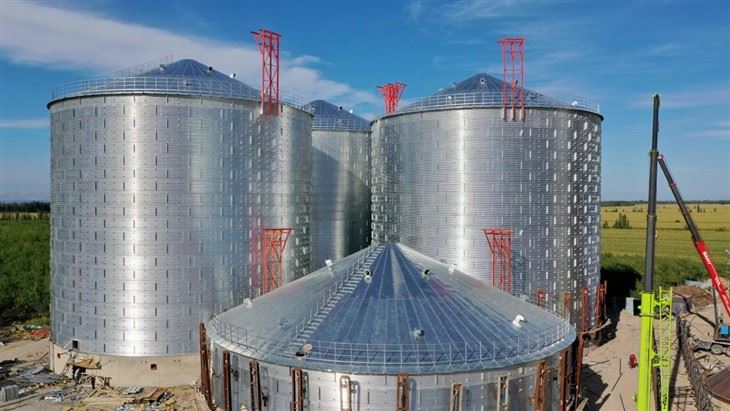
When the system is not in use, store it properly. Keep it in a dry and secure place. If possible, cover the equipment to protect it from dust and moisture. For larger systems like Wet Grain Hopper Steel Silos or Flat Bottom Silo, proper storage and maintenance are even more critical to ensure their longevity and safety.
Training and Education
Ensure that all operators of the cleaning and de - dusting system receive proper training. Training should cover the safe operation of the equipment, the use of PPE, and emergency procedures. A well - trained operator is more likely to use the system safely and efficiently, reducing the risk of accidents.
In conclusion, taking safety precautions when using a cleaning and de - dusting system is of utmost importance. By following these guidelines, you can protect yourself, your employees, and your property from potential hazards. If you're in the market for a high - quality cleaning and de - dusting system, we're here to help. Our team of experts can provide you with the right equipment and advice to meet your specific needs. Contact us today to start a procurement discussion and take the first step towards a cleaner and safer environment.
References
- Occupational Safety and Health Administration (OSHA) guidelines on industrial cleaning and dust control.
- Manufacturer's manuals of cleaning and de - dusting systems.