

As a supplier in the corn and soybean storage industry, I've witnessed firsthand the critical role that moisture content plays in the preservation of these valuable commodities. In this blog, I'll delve into the impact of moisture content on corn and soybean storage, drawing from my experiences and industry knowledge.
Understanding Moisture Content in Grains
Moisture content in corn and soybeans is a fundamental factor that affects their quality and storability. It is typically expressed as a percentage of the weight of the water in the grain relative to the total weight of the grain. For example, if a bushel of corn weighs 56 pounds and contains 8.4 pounds of water, the moisture content is 15% (8.4/56 x 100).
The moisture content of freshly harvested corn and soybeans can vary widely depending on factors such as the time of harvest, weather conditions, and the variety of the crop. In general, corn is harvested at a moisture content of around 20 - 30%, while soybeans are harvested at a moisture content of around 13 - 18%. These levels are often too high for long - term storage and need to be reduced to a safe level.
Impact of High Moisture Content on Corn Storage
Mold and Fungal Growth
One of the most significant problems associated with high moisture content in corn storage is the growth of mold and fungi. When the moisture content of corn exceeds 15 - 16%, it creates an ideal environment for mold spores to germinate and grow. Mold can produce mycotoxins, which are toxic substances that can contaminate the corn and pose a serious health risk to humans and animals. For example, aflatoxin, produced by Aspergillus fungi, is a potent carcinogen.
Insect Infestation
High - moisture corn also attracts insects. Insects such as weevils, moths, and beetles are more likely to infest corn with high moisture levels. These insects can damage the kernels, reducing the quality of the corn and increasing the risk of further spoilage. They can also spread mold and fungi throughout the storage facility.
Heat Generation
As mold and microorganisms grow in high - moisture corn, they generate heat through the process of respiration. This heat can cause the temperature of the corn to rise, which in turn accelerates the growth of mold and microorganisms. If not addressed, this can lead to a self - perpetuating cycle of spoilage, known as a "hot spot." Hot spots can cause the corn to become discolored, lose its nutritional value, and even catch fire in extreme cases.
Impact of High Moisture Content on Soybean Storage
Seed Viability Loss
For soybeans, high moisture content can lead to a significant loss of seed viability. If soybeans are stored at a moisture content above 13%, the seeds may start to germinate prematurely, even in storage. This not only reduces the number of viable seeds but also affects the quality of the remaining seeds. Germinated soybeans are more susceptible to damage and spoilage.
Oil Oxidation
Soybeans are rich in oil, and high moisture content can accelerate the oxidation of this oil. Oxidized oil has a rancid taste and smell, and it also reduces the nutritional value of the soybeans. This can make the soybeans less marketable, especially for use in the food and feed industries.
Physical Damage
High - moisture soybeans are more prone to physical damage during handling and storage. The kernels are softer and more likely to crack or break, which can increase the risk of mold growth and insect infestation.
Safe Moisture Levels for Storage
To ensure the long - term storage of corn and soybeans, it is essential to reduce the moisture content to a safe level. For corn, a moisture content of 13 - 15% is generally considered safe for long - term storage. At this level, the risk of mold growth, insect infestation, and heat generation is significantly reduced.
For soybeans, a moisture content of 10 - 12% is recommended for long - term storage. This helps to maintain seed viability, prevent oil oxidation, and reduce the risk of physical damage.

Drying Methods
There are several methods available for reducing the moisture content of corn and soybeans. One common method is natural air drying, which involves passing ambient air through the grain. This method is relatively inexpensive but can be slow, especially in humid conditions.
Another option is mechanical drying, which uses heated air to remove moisture from the grain more quickly. Mechanical dryers can be more expensive to operate but offer greater control over the drying process. For more information on equipment that can assist in the handling and storage of dried grains, you can visit our Bucket Elevator & Belt Conveyor page.
Storage Structures and Moisture Management
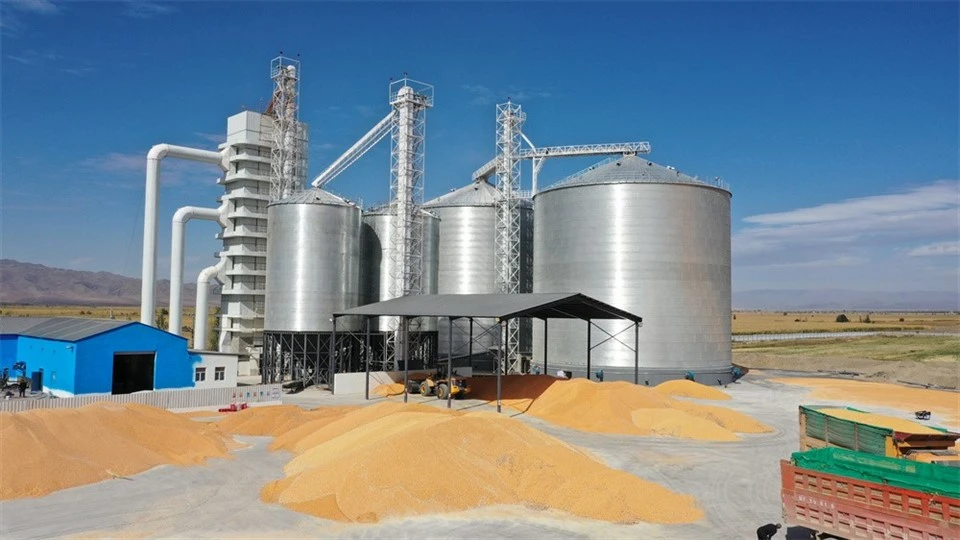
The choice of storage structure also plays a crucial role in moisture management. Steel silos are a popular choice for corn and soybean storage due to their durability and ability to protect the grain from the elements. Our Wheat & Corn Short Term Storage Steel Silos are designed to provide a secure environment for storing grains at the appropriate moisture levels.
For large - scale operations, Large Scale Grouped Steel Silos offer the advantage of increased storage capacity while still allowing for effective moisture management. These silos can be equipped with ventilation systems to control the moisture and temperature inside.
Monitoring Moisture Content
Regular monitoring of the moisture content of stored corn and soybeans is essential. There are various moisture meters available on the market that can provide quick and accurate readings. By monitoring the moisture content regularly, you can detect any changes early and take appropriate action to prevent spoilage.
Conclusion
In conclusion, moisture content is a critical factor in the storage of corn and soybeans. High moisture levels can lead to a range of problems, including mold growth, insect infestation, loss of seed viability, and oil oxidation. By understanding the impact of moisture content and taking appropriate measures to manage it, such as drying the grain to a safe level, choosing the right storage structure, and monitoring the moisture content regularly, you can ensure the quality and longevity of your stored corn and soybeans.
If you are in the market for high - quality storage solutions for your corn and soybeans, we are here to help. Our team of experts can provide you with the advice and products you need to ensure the successful storage of your grains. Contact us today to start a procurement discussion and find the best storage options for your specific needs.
References
- "Grain Storage Management," Purdue Extension.
- "Moisture Management in Grain Storage," University of Minnesota Extension.
- "The Effects of Moisture on Grain Quality," Kansas State University Agricultural Experiment Station and Cooperative Extension Service.