

Hey there! As a wastewater storage tank supplier, I've seen firsthand how crucial it is to choose the right corrosion-resistant coatings for these tanks. Wastewater can be a real beast, filled with all sorts of chemicals and contaminants that can eat away at the tank's material over time. So, in this blog, I'm gonna share with you some of the best corrosion-resistant coatings suitable for wastewater storage tanks.
Why Corrosion-Resistant Coatings Matter
Before we dive into the types of coatings, let's talk about why they're so important. Wastewater is often acidic or alkaline, depending on its source. Industrial wastewater, for example, can contain high levels of heavy metals, acids, and alkalis. Domestic wastewater may have organic matter that decomposes and produces corrosive gases. If a wastewater storage tank isn't properly protected, corrosion can lead to leaks, structural damage, and even environmental contamination.
Epoxy Coatings
Epoxy coatings are one of the most popular choices for wastewater storage tanks. They're known for their excellent adhesion, chemical resistance, and durability. Epoxy forms a tough, protective barrier on the tank's surface, preventing the wastewater from coming into direct contact with the tank material.
There are different types of epoxy coatings, such as solvent-based and water-based. Solvent-based epoxy coatings offer high chemical resistance but may have a strong odor during application. Water-based epoxy coatings are more environmentally friendly and have less odor, but they may not be as resistant to certain chemicals as solvent-based ones.
One of the advantages of epoxy coatings is that they can be applied in multiple layers to increase the thickness of the protective barrier. This is especially useful for tanks that will be exposed to highly corrosive wastewater. However, epoxy coatings need to be applied carefully, following the manufacturer's instructions. The surface of the tank must be properly prepared, usually by sandblasting or abrasive cleaning, to ensure good adhesion.
Polyurethane Coatings
Polyurethane coatings are another great option for wastewater storage tanks. They offer excellent abrasion resistance, flexibility, and UV resistance. Polyurethane can withstand mechanical stress, such as the movement of the tank due to temperature changes or filling and emptying cycles.
These coatings are available in different formulations, including aliphatic and aromatic polyurethanes. Aliphatic polyurethanes are more resistant to yellowing and degradation from UV light, making them suitable for outdoor tanks. Aromatic polyurethanes are generally more cost-effective and offer good chemical resistance.
Polyurethane coatings can be applied as a topcoat over epoxy coatings to provide additional protection. This combination can enhance the overall performance of the coating system, providing both chemical resistance and abrasion resistance. However, like epoxy coatings, proper surface preparation is essential for good adhesion.
Rubber Linings
Rubber linings are a popular choice for wastewater storage tanks, especially those made of steel. Rubber linings offer excellent chemical resistance, flexibility, and impact resistance. They can conform to the shape of the tank, providing a seamless protective barrier.
There are different types of rubber linings, such as natural rubber, neoprene, and EPDM (ethylene propylene diene monomer). Natural rubber is suitable for general wastewater applications, while neoprene and EPDM offer better resistance to specific chemicals, such as oils and solvents.

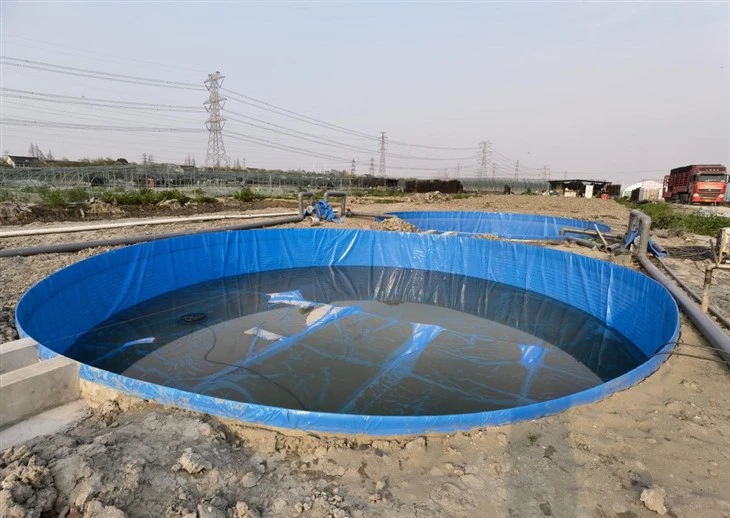
Rubber linings are typically installed by bonding the rubber sheet to the tank's surface using an adhesive. The installation process requires skilled labor to ensure a proper fit and adhesion. However, once installed, rubber linings can provide long-term protection for the tank.
Glass Flake Coatings
Glass flake coatings are a relatively new type of corrosion-resistant coating for wastewater storage tanks. They consist of a resin matrix filled with small glass flakes. The glass flakes act as a barrier, slowing down the penetration of corrosive substances through the coating.
Glass flake coatings offer excellent chemical resistance, especially to acids and alkalis. They also have good abrasion resistance and can withstand high temperatures. These coatings can be applied in multiple layers to increase the thickness of the protective barrier.
One of the advantages of glass flake coatings is that they can be applied to both new and existing tanks. They can be used as a standalone coating or in combination with other coatings, such as epoxy or polyurethane. However, the application of glass flake coatings requires specialized equipment and trained personnel.
Factors to Consider When Choosing a Coating
When choosing a corrosion-resistant coating for a wastewater storage tank, there are several factors to consider:
- Chemical Composition of the Wastewater: Different coatings have different levels of resistance to various chemicals. You need to know the chemical composition of the wastewater to choose a coating that can withstand it.
- Temperature and Environmental Conditions: The temperature and environmental conditions in which the tank will be located can affect the performance of the coating. For example, outdoor tanks may need a coating that is resistant to UV light and temperature fluctuations.
- Tank Material: The material of the tank, such as steel, concrete, or fiberglass, can also influence the choice of coating. Some coatings may adhere better to certain materials than others.
- Budget: The cost of the coating and its application is an important consideration. You need to balance the performance of the coating with your budget.
Our Products and Services
As a wastewater storage tank supplier, we offer a range of tanks suitable for different applications. Check out our Rural & Mountain Area Steel Water Tank, Aquaculture Steel Water Tank - Underground, and Agricultural Water Storage Tank. We can also help you choose the right corrosion-resistant coating for your tank based on your specific requirements.
If you're interested in purchasing a wastewater storage tank or need more information about corrosion-resistant coatings, feel free to contact us. We'll be happy to discuss your needs and provide you with a customized solution.
Conclusion
Choosing the right corrosion-resistant coating for a wastewater storage tank is essential to ensure its long-term performance and durability. Epoxy coatings, polyurethane coatings, rubber linings, and glass flake coatings are all viable options, each with its own advantages and disadvantages. By considering the chemical composition of the wastewater, temperature and environmental conditions, tank material, and budget, you can make an informed decision.
If you have any questions or need further assistance, don't hesitate to reach out. We're here to help you protect your investment and keep your wastewater storage tank in top condition.
References
- K. N. Wood, “Corrosion Control in Water and Wastewater Systems,” NACE International, 2005.
- M. S. Pidaparti, “Handbook of Corrosion Engineering,” McGraw-Hill, 2007.
- ASTM International, “Standards for Coating and Lining of Steel Water Storage Tanks,” ASTM International, 2019.