

Hey there! I'm a supplier of aquaculture storage tanks, and I've been in this business for quite a while. Today, I want to chat about the environmental impacts of using these tanks. It's a topic that's super important, not just for us in the industry but for the planet as a whole.
Let's start with the good stuff. One of the major environmental benefits of aquaculture storage tanks is that they help with water conservation. In traditional aquaculture systems, a huge amount of water is often wasted through evaporation, seepage, and continuous water exchange. But with storage tanks, we can recycle and reuse water much more efficiently. We can set up filtration systems that clean the water and send it back into the tank, reducing the overall water consumption. This is a big deal, especially in areas where water is scarce. For instance, in arid regions, every drop of water counts, and using aquaculture storage tanks can make a significant difference in how we manage this precious resource.
Another positive impact is related to the control of pollution. When fish are raised in open ponds or natural water bodies, there's a risk of their waste and the leftover feed getting into the surrounding environment. This can lead to eutrophication, where an overabundance of nutrients causes excessive growth of algae and other plants, which can then deplete oxygen levels in the water and harm other aquatic life. However, in aquaculture storage tanks, we can collect and treat the waste and excess feed before it has a chance to cause any harm. We can use advanced waste management systems to break down the organic matter and remove harmful substances, ensuring that the water leaving the tank is clean and won't pollute the environment.
Now, let's talk about some of the potential negative environmental impacts. One concern is the energy consumption of these tanks. Running the pumps, filters, and aeration systems in aquaculture storage tanks requires a significant amount of energy, usually in the form of electricity. Most of the electricity we use comes from non - renewable sources like coal and natural gas, which contribute to greenhouse gas emissions. The more energy we consume, the more we're adding to the global warming problem. To mitigate this, we can look into using renewable energy sources such as solar panels or wind turbines to power our tanks. It might be a bit more expensive upfront, but in the long run, it can save money and reduce our carbon footprint.
Another issue is the potential for chemical use. In order to keep the water in the tanks clean and the fish healthy, we sometimes need to use chemicals like disinfectants and antibiotics. If these chemicals are not used properly or are overused, they can end up in the environment and have a negative impact on other organisms. For example, antibiotics can contribute to the development of antibiotic - resistant bacteria, which is a growing global health concern. As suppliers, we need to educate our customers on the proper use of these chemicals and encourage them to look for more natural and sustainable alternatives.
The construction of aquaculture storage tanks also has an environmental impact. The materials used to build the tanks, such as steel or concrete, require a lot of energy and resources to produce. Mining the raw materials, transporting them, and manufacturing the tanks all contribute to environmental degradation. However, we can choose more sustainable materials. For example, Aquaculture Steel Water Tank - Underground is made of steel, which can be recycled. Recycling steel reduces the need for new mining and saves a significant amount of energy. Similarly, Rainwater Harvesting Water Tanks can be a great option as they can collect and store rainwater, reducing the demand for other water sources. And if you're looking for a taller option, Aquaculture Steel Water Tank - Extra High provides more capacity while still being relatively sustainable in terms of material use.
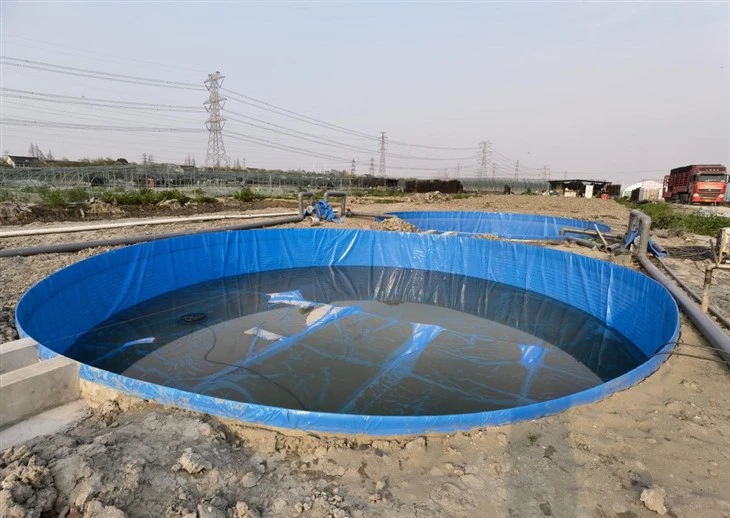

In addition, the location of the aquaculture storage tanks can also have an impact. If the tanks are placed in areas with sensitive ecosystems, they can disrupt the natural habitat of local wildlife. For example, building tanks in wetlands can destroy the homes of many bird species and other animals that depend on these areas. We need to carefully choose the location of our tanks and make sure that we're not causing unnecessary harm to the environment.
So, what can we do as an industry to minimize the negative environmental impacts and maximize the positive ones? First of all, we need to invest in research and development to come up with more energy - efficient and sustainable technologies. This could include developing better filtration systems that use less energy or finding new ways to treat waste without relying on chemicals. Second, we should promote the use of renewable energy sources to power our tanks. As I mentioned earlier, solar and wind energy are great options that can reduce our carbon emissions. Third, we need to work closely with our customers to educate them on sustainable aquaculture practices. This includes proper chemical use, water management, and waste treatment.
If you're in the aquaculture business and are considering purchasing an aquaculture storage tank, I encourage you to think about the environmental impacts. We're here to help you make the right choice. Whether you're looking for a small - scale tank for a backyard operation or a large - scale commercial setup, we have a variety of options to meet your needs. And by choosing our tanks, you're not only getting a high - quality product but also contributing to a more sustainable aquaculture industry. If you have any questions or want to discuss your specific requirements, don't hesitate to reach out. Let's work together to make aquaculture more environmentally friendly.
References
- FAO. (2020). The State of World Fisheries and Aquaculture 2020. Sustainability in Action.
- National Research Council. (2011). Effects of Aquaculture on Wild Fish Populations.