

When it comes to the storage of chemicals, selecting the appropriate storage solution is of utmost importance. As a provider of flat bottom silos, I often receive inquiries about the viability of using our flat bottom silos for chemical storage. In this blog post, I will delve into the considerations, advantages, and limitations of using flat bottom silos for storing chemicals, providing you with a comprehensive understanding to make an informed decision.
Understanding Flat Bottom Silos
Flat bottom silos are a common type of storage structure characterized by their flat base. They are typically constructed from materials such as steel, concrete, or fiberglass, offering a range of capacities to meet various storage needs. These silos are widely used in industries such as agriculture, food processing, and manufacturing for storing bulk materials like grains, powders, and granules.
Suitability for Chemical Storage
The suitability of a flat bottom silo for chemical storage depends on several factors, including the type of chemical, its physical and chemical properties, and the storage conditions required. Here are some key considerations:
Chemical Compatibility
The first and most crucial factor is the compatibility between the chemical and the silo material. Different chemicals have varying degrees of reactivity with different materials. For example, corrosive chemicals such as acids and alkalis can react with certain metals, leading to corrosion and potential structural failure. Therefore, it is essential to choose a silo material that is resistant to the specific chemical being stored. Steel silos can be coated with protective linings to enhance their chemical resistance, while concrete and fiberglass silos are inherently more resistant to many chemicals.
Physical Properties of the Chemical
The physical properties of the chemical, such as its density, viscosity, and flowability, also play a significant role in determining the suitability of a flat bottom silo. Dense chemicals may require a stronger silo structure to withstand the higher pressure exerted on the walls and floor. Viscous chemicals may pose challenges in terms of discharge, requiring additional equipment such as agitators or vibrators to ensure proper flow.
Storage Conditions
Chemicals often have specific storage requirements in terms of temperature, humidity, and ventilation. Flat bottom silos can be designed to accommodate these conditions. For example, insulation can be added to maintain a stable temperature, and ventilation systems can be installed to remove any harmful vapors or gases.
Advantages of Using Flat Bottom Silos for Chemical Storage
Despite the challenges, there are several advantages to using flat bottom silos for chemical storage:
Cost-Effectiveness
Flat bottom silos are generally more cost-effective to construct and install compared to other types of silos, such as hopper-bottom silos. They require less complex foundations and can be easily customized to fit specific space requirements. This makes them an attractive option for small to medium-scale chemical storage applications.
Versatility
Flat bottom silos can be used to store a wide range of chemicals, including powders, granules, and liquids. They can also be easily modified or expanded to accommodate changes in storage needs over time.
Ease of Installation and Maintenance
Flat bottom silos are relatively easy to install and require minimal maintenance. They can be assembled on-site, reducing transportation costs and installation time. Additionally, their simple design makes them easy to clean and inspect, ensuring the safety and integrity of the stored chemicals.
Limitations of Using Flat Bottom Silos for Chemical Storage
While flat bottom silos offer many advantages, they also have some limitations:
Discharge Issues
One of the main challenges with flat bottom silos is the discharge of the stored chemical. Unlike hopper-bottom silos, which have a tapered bottom to facilitate flow, flat bottom silos rely on gravity or additional equipment to discharge the material. This can result in uneven discharge and the formation of dead zones, where the chemical remains stagnant. To overcome this issue, special discharge systems such as screw conveyors or pneumatic conveyors can be installed.
Limited Capacity for Some Chemicals
Certain chemicals, such as those with high density or viscosity, may require a larger storage volume or a different type of silo design to ensure proper storage and handling. In some cases, flat bottom silos may not be able to provide the necessary capacity or functionality for these chemicals.
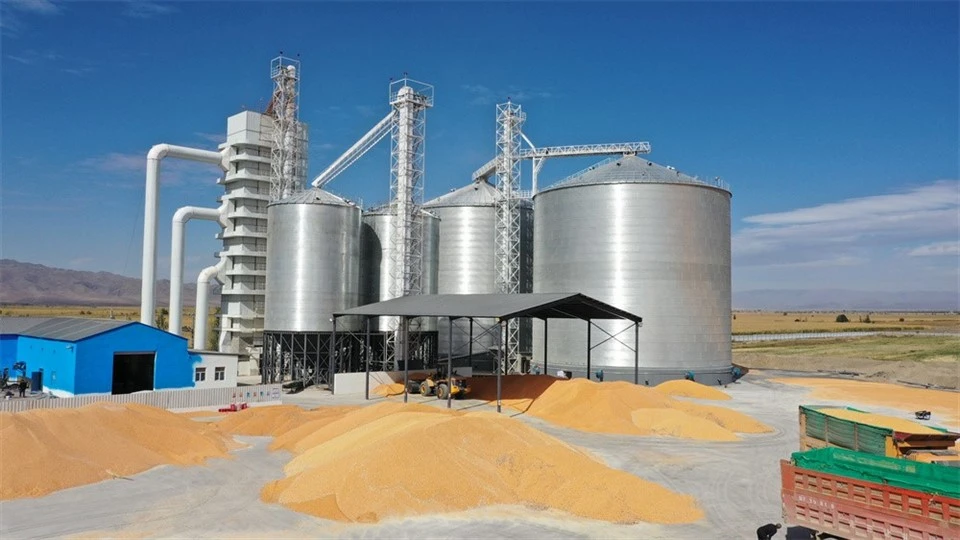

Additional Equipment and Considerations
To ensure the safe and efficient storage of chemicals in flat bottom silos, additional equipment and considerations may be required:
Linings and Coatings
As mentioned earlier, protective linings and coatings can be applied to the interior of the silo to enhance its chemical resistance. These linings can be made of materials such as rubber, epoxy, or polyethylene, depending on the specific chemical being stored.
Monitoring and Control Systems
Monitoring and control systems are essential for maintaining the safety and integrity of the stored chemicals. These systems can include sensors for temperature, pressure, level, and gas detection, as well as alarms and automated controls to prevent overfilling, leaks, or other hazardous conditions.
Safety Features
Safety features such as access hatches, ladders, handrails, and emergency exits should be installed to ensure the safety of personnel during loading, unloading, and maintenance operations. Additionally, proper ventilation and fire suppression systems should be in place to prevent the accumulation of harmful vapors or the spread of fire.
Conclusion
In conclusion, flat bottom silos can be used for storing chemicals, but careful consideration must be given to the chemical properties, storage conditions, and additional equipment required. When properly designed, constructed, and maintained, flat bottom silos can provide a cost-effective and reliable solution for chemical storage.
If you are considering using flat bottom silos for chemical storage or have any questions about our products, please feel free to contact us. We are a leading provider of flat bottom silos and can offer you professional advice and customized solutions to meet your specific needs.
In addition to flat bottom silos, we also offer a range of related products such as Paddy Insulated Hopper Steel Silos, Bucket Elevator & Belt Conveyor, and Cottonseed Hopper Steel Silos. These products can be used in conjunction with flat bottom silos to create a complete storage and handling system.
References
- Perry, R. H., & Green, D. W. (2008). Perry's Chemical Engineers' Handbook. McGraw-Hill Professional.
- Sinnott, R. K., & Towler, G. P. (2012). Chemical Engineering Design: Principles, Practice and Economics of Plant and Process Design. Butterworth-Heinemann.
- American Petroleum Institute. (2019). API RP 650: Welded Steel Tanks for Oil Storage.